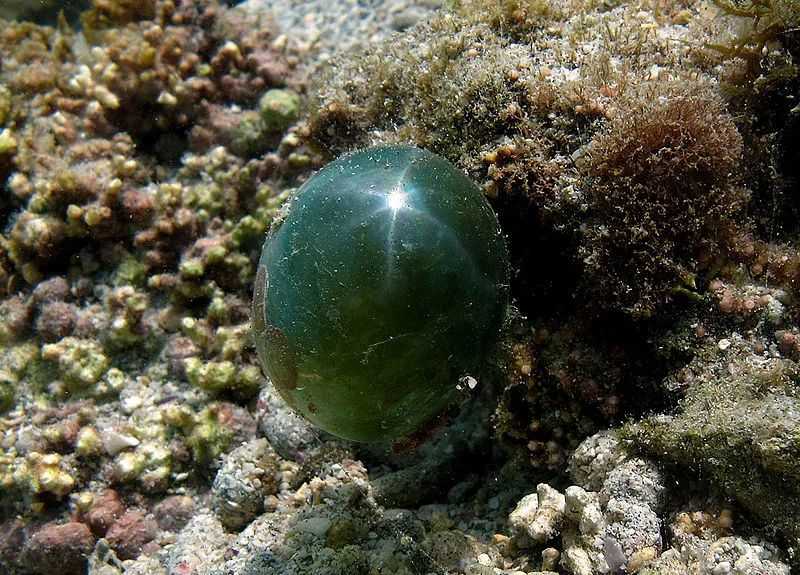
The Bubble Alga: Nature’s Giant Single-Celled Marvel Floating in Tropical Seas
Known as the "bubble alga" or "sailor’s eyeball," Valonia ventricosa is a remarkable marine alga and one of the largest single-celled organisms on Earth. Thriving in tropical and subtropical oceans, this spherical green alga has fascinated biologists for its unique structure—each "bubble" is a single cell that can grow up to 5 centimeters in diameter, defying conventional notions of cellular size.
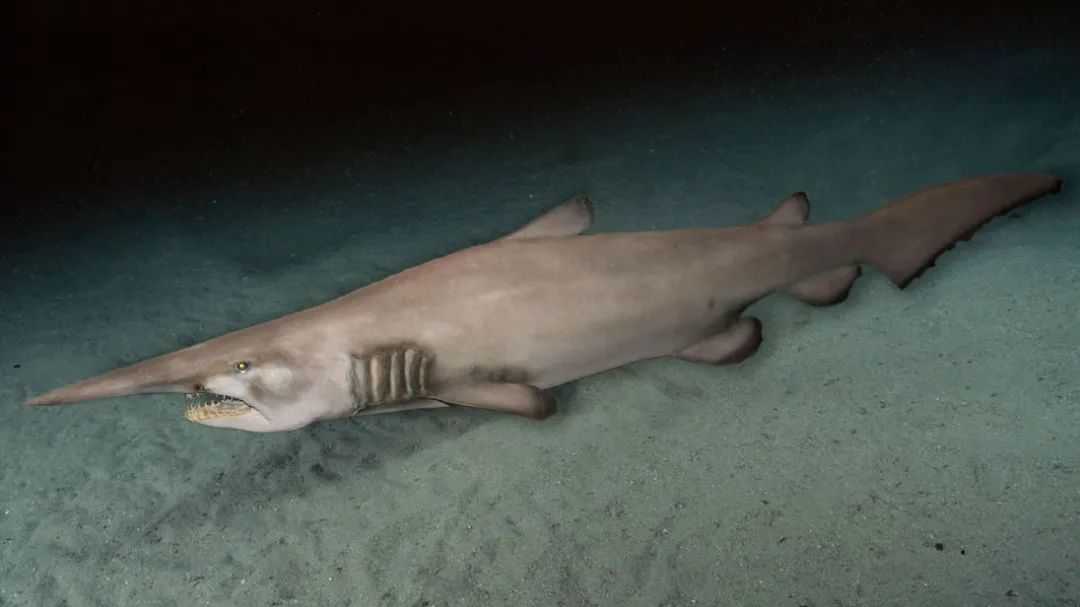
The Goblin Shark: A Slow - Moving Predator with a Deadly Surprise
Lurking in the ocean's depths, the goblin shark, a large - sized benthic predator, earns its name from its distinctive protruding snout, which resembles a sharpened dagger. Despite its menacing appearance, this shark defies expectations with its flabby muscles and sluggish, almost lethargic swimming style, often seen leisurely drifting through the water.
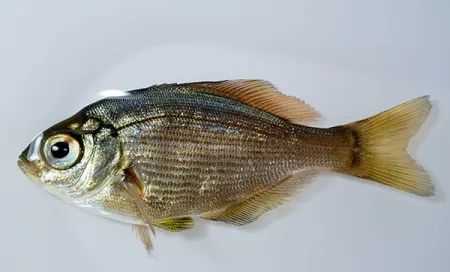
Ditrema temmincki: The Elusive "Sea Crucian" of the Yellow Sea
Ditrema temmincki, commonly known as the sea knifefish or by regional nicknames, is a small temperate marine fish belonging to the Embiotocidae family. Inhabiting the coastal waters of the Yellow Sea, this species is celebrated for its unique appearance and selective feeding habits, drawing comparisons to freshwater crucian carp due to its gentle feeding behavior and streamlined form.
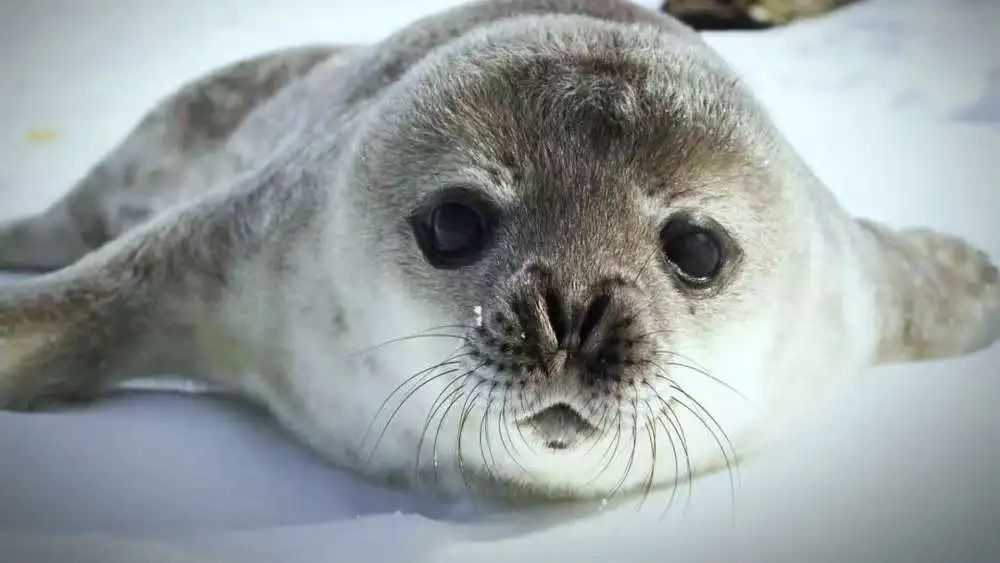
The Enchanting Spotted Seal: A Guardian of Northern Waters
In the temperate seas of the Northern Hemisphere, the spotted seal (Phoca largha) thrives as a charismatic marine mammal. Growing 1.5 to 2 meters in length, this species relies on a diet of fish and shellfish to sustain its life in the ocean’s dynamic ecosystems. As a first-class protected animal in China, it holds a critical place in conservation efforts aimed at preserving marine biodiversity.
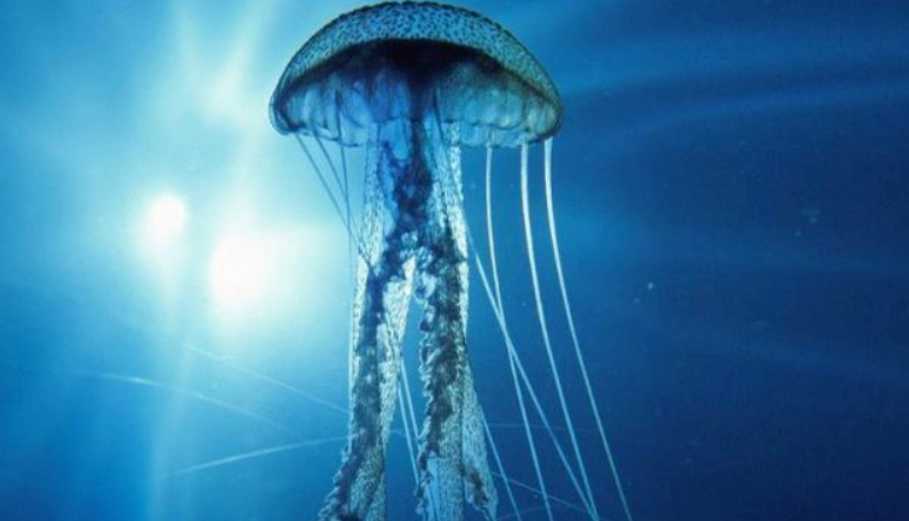
The Deadliest Predator in the Sea: Australia's Box Jellyfish
Considered the most venomous creature on Earth, box jellyfish (Chironex fleckeri) inhabit warm coastal waters worldwide, but none are more infamous than the Australian box jellyfish. With a bell-shaped body reaching up to 30 centimeters in diameter and trailing tentacles that can extend over 3 meters, this marine predator possesses a toxin so potent that a single individual’s stings can kill up to 60 adult humans. Its reign as the ocean’s silent killer is unmatched, blending transparency, speed, and lethality into a nightmare for swimmers and divers.
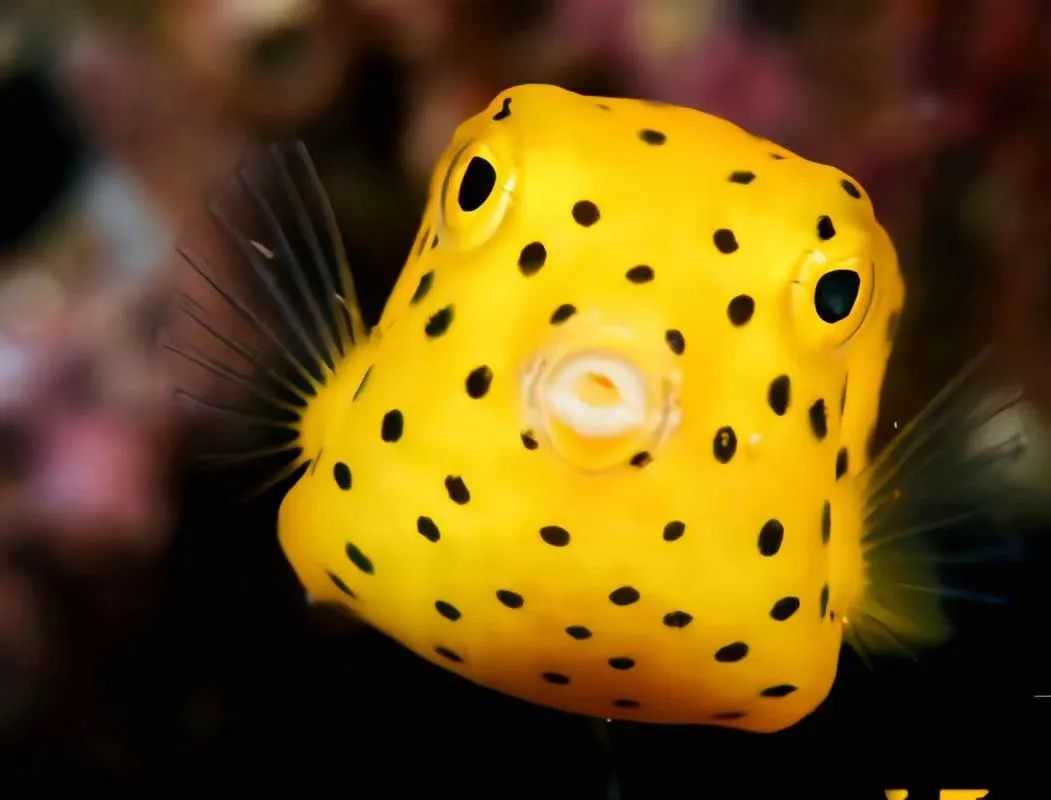
The Quirky Boxfish: A Living Underwater Cartoon in Tropical Reefs
In the vibrant coral reefs of the Indian and Pacific Oceans, the Ostracion cubicus, or "papaya fish," adds a splash of whimsy to the marine world. Growing between 10 to 25 centimeters in length, this tropical inhabitant dwells among coral formations, munching on algae and small invertebrates. Its unique appearance makes it stand out like a character from an animated film.
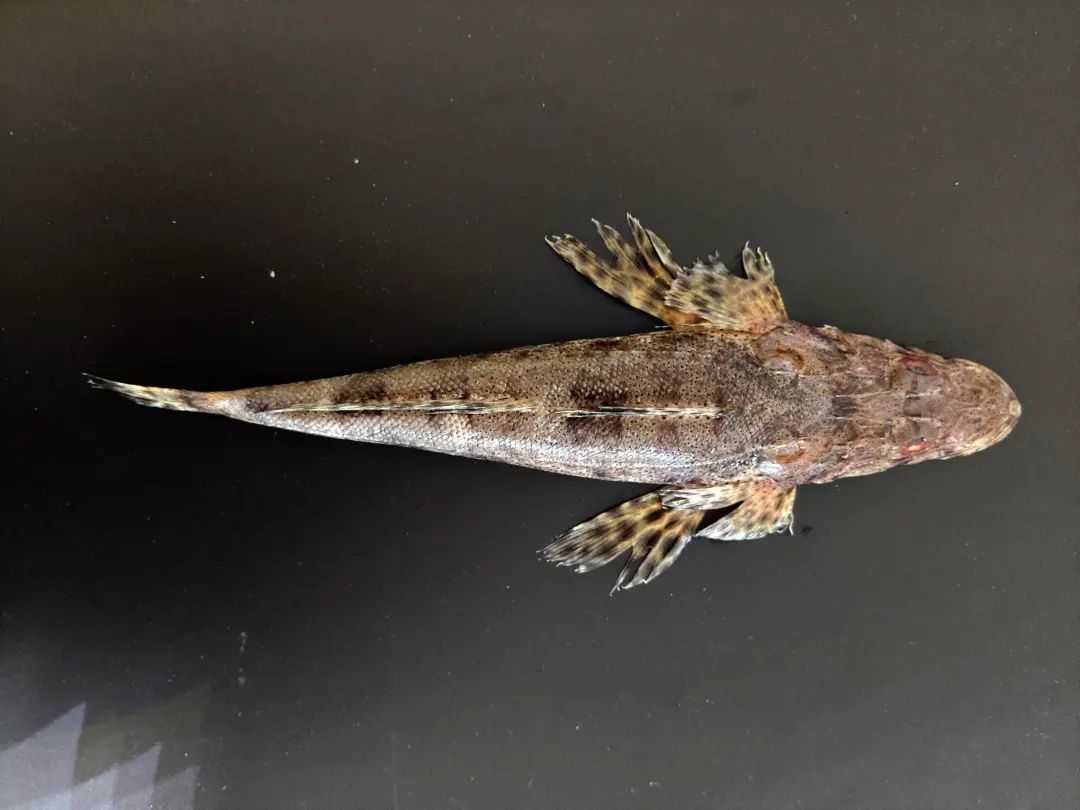
Platycephalus indicus: The Formidable Flathead of Coastal Waters
Platycephalus indicus, commonly known as the Indian flathead or by various regional names such as "ox-tail fish" and "braid fish" in northern regions, is a remarkable fish species inhabiting the coastal waters of the Indo-Pacific. Renowned for its unique appearance and a formidable defense mechanism, this fish has earned its place as both a fascinating marine subject and a prized catch for fishermen.
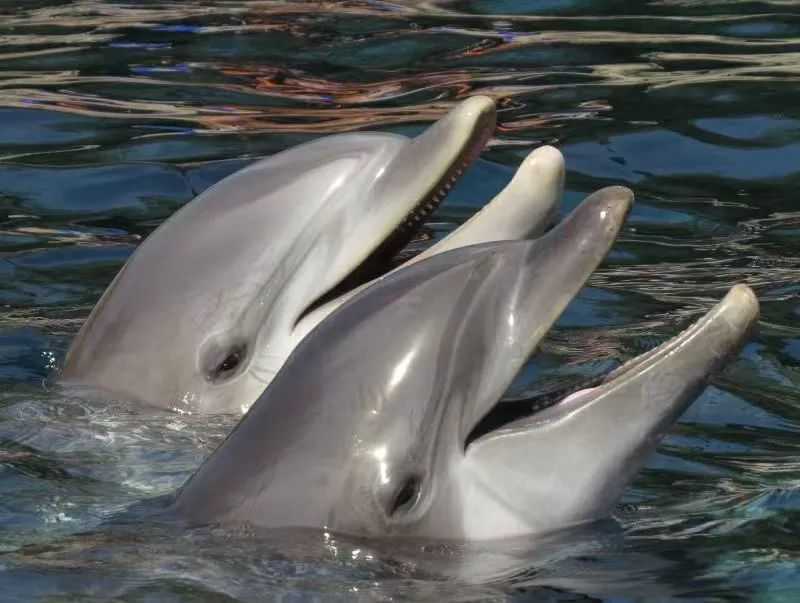
The Friendly Faces of the Sea: Bottlenose Dolphins
Widely distributed in tropical to temperate oceans, bottlenose dolphins (Tursiops truncatus) are beloved for their intelligence and approachable demeanor. Ranging from 2 to 4 meters in length, these marine mammals feed primarily on fish and squid, navigating coastal waters and open seas with remarkable agility. Their iconic appearance and social nature make them a favorite among marine enthusiasts worldwide.