Bavaria’s Fairy Tale Castles, Including Neuschwanstein, Named UNESCO World Heritage Sites


Cultural News
Bavaria’s Fairy Tale Castles, Including Neuschwanstein, Named UNESCO World Heritage Sites

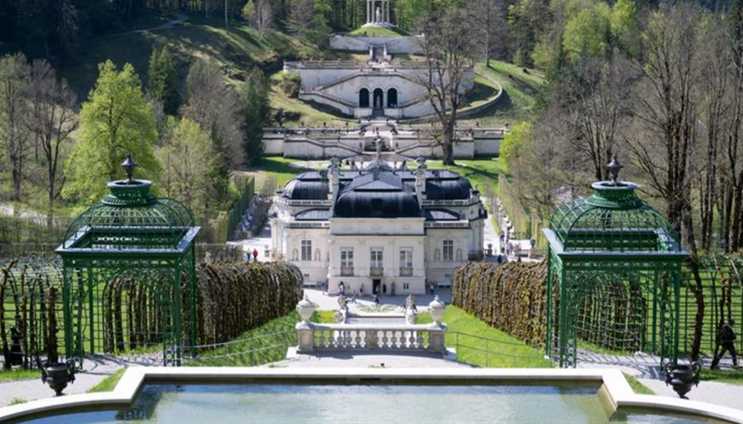
On July 12, the UNESCO World Heritage Committee officially inscribed four iconic palaces built by Bavaria’s King Ludwig II onto the prestigious World Heritage List. The ensemble includes Neuschwanstein Castle, Herrenchiemsee Palace, Linderhof Palace, and the Schachen Royal Lodge, celebrated for their visionary architecture and cultural significance. Maria Böhmer, President of Germany’s UNESCO Commission, hailed them as “architectural masterpieces that reflect both the artistic imagination of the Fairy-Tale King and his unconventional genius”


A Monument to Romantic Escapism

Commissioned in the late 19th century, these palaces represent Ludwig II’s lifelong quest to create immersive fantasy worlds. Neuschwanstein, inspired by Richard Wagner’s operas like Lohengrin and Tristan und Isolde, features soaring turrets and murals depicting medieval legends, while Herrenchiemsee emulates Versailles’ grandeur with a Hall of Mirrors surpassing the French original by 22 meters. Linderhof, the only completed palace during Ludwig’s lifetime, blends Rococo opulence with Orientalist elements like the Moorish Kiosk, while the Schachen Royal Lodge offers a Alpine retreat with a gilded Turkish Hall. UNESCO notes that these structures “transcend mere architecture, embodying a 19th-century fascination with recreating historical and exotic realms through art and technology”.

A Paradox of Royal Vision and Modern Challenges

Ludwig II’s projects, funded by personal wealth rather than state coffers, were criticized as impractical during his reign. Yet their fusion of Wagnerian mythology, Baroque revivalism, and cutting-edge engineering—such as Neuschwanstein’s hydraulic systems—now earns them recognition as “unique testaments to Romanticism’s clash with industrial modernity”. The palaces’ unfinished state, like Herrenchiemsee’s incomplete 70-room complex, underscores Ludwig’s tragic inability to reconcile his artistic dreams with political reality.

Global Iconography and Tourism Impact

Already drawing over 1.5 million visitors annually, Neuschwanstein alone is projected to see a 20–30% surge in tourism post-designation4. Bavaria plans to manage this influx through sustainable measures, including timed entry slots and green infrastructure investments like solar-powered visitor centers. The state’s €500 billion infrastructure fund will support projects such as climate-resilient pathways at Neuschwanstein, ensuring preservation aligns with the EU’s environmental goals.

Legacy of a Visionary Monarch

UNESCO highlights the palaces’ role in shaping global cultural imagination, from Disney’s Sleeping Beauty Castle to modern theme park design. Bavarian Premier Markus Söder celebrated the decision as “a fairy tale come true,” emphasizing their status as “symbols of Bavaria’s identity and a bridge between past and present”. With this designation, these architectural marvels join Germany’s 54 other World Heritage sites, securing their place as timeless emblems of human creativity and the enduring allure of fantasy.


As UNESCO’s assessment concludes, Ludwig II’s palaces are “not merely buildings but living narratives—stone embodiments of a king’s dream to transcend reality, inviting audiences to lose themselves in the magic of bygone eras”.

Latest Stories
Travel News2 minute readThe Valensole Plateau in Provence, France, is currently 沉浸在一片紫色的海洋中. The 9,500-hectare lavender fields entered their peak bloom on July 14, with the harvest season expected to last until July 28, inviting travelers worldwide to witness this "most romantic rendezvous in Southern France".
Entertainment News1 minute readMarion Cotillard, a French actress with a striking presence and distinct personality, has emerged as one of the most accomplished talents in contemporary French cinema. Her ability to balance stunning beauty with extraordinary acting prowess has made her a standout figure on the global stage.
Travel News2 minute readNestled along the Atlantic coast of Picardy in northern France, the Baie de Somme stands out as a unique ecosystem and year-round sanctuary for seal populations. Comprising marshes, mudflats, and sandbars, this triangular expanse serves as a vital stopover for migratory birds and hosts one of Europe's largest colonies of harbor seals (Phoca vitulina), attracting tens of thousands of visitors annually to witness its natural splendor. Natural Heritage and Ecol
Beauty News1 minute readCopenhagen-based amateur model Emma Jensen, 29, stars in Issue 173 of Life Photos of Foreign Beauties, showcasing styled yet natural poses in her everyday surroundings. The series, shot by freelance photographer Lise Hansen, blends casual elegance with intentional framing—Jensen poses by her apartment window, at a neighborhood bakery, and along tree-lined streets, all while maintaining a relaxed, unforced aura.
Sports News1 minute readThe European Court of Human Rights (ECHR) Grand Chamber ruled Thursday that the Court of Arbitration for Sport (CAS) claimed a significant victory, while South African double Olympic 800m champion Caster Semenya achieved a minor win in her long-running legal battle. The "Semenya v Switzerland" case centers on Semenya’s challenge to World Athletics’ rules on athletes with Differences of Sexual Development (DSD).
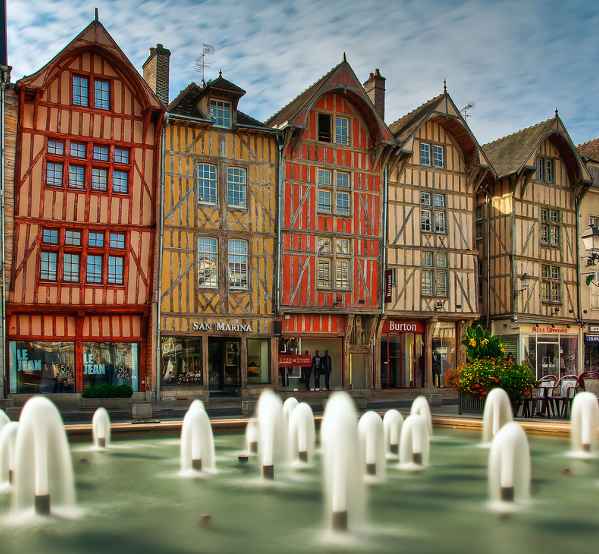
Travel News2 minute readTroyes, a historic city in France’s Champagne region, is renowned as the "Capital of Half-Timbered Houses," boasting the most extensive and best-preserved collection of such structures in the country. Its historic center, a labyrinth of cobblestone streets, showcases a vivid medieval tapestry with rows of colorful half-timbered houses, earning it the status of a living open-air museum.
Industry News1 minute readIntel CEO Lip-Bu Tan publicly acknowledged in a recent internal meeting that the company has fallen out of the global top 10 semiconductor firms due to years of strategic missteps, revealing a staggering $16.6 billion loss in Q3 2024 . This marks the worst quarterly performance in Intel’s 57-year history, driven by $15.9 billion in accelerated depreciation costs tied to underperforming Intel 7 manufacturing assets and Mobileye’s goodwill impairment . To reverse its fortunes, the board approved a new strategy centered on edge AI and agent AI, coupled with global layoffs and business restructuri