Introduction The Nord-Pas de Calais Mining Basin in northern France, once the beating heart of Europe's Industrial Revolution, now captivates the world with its unique story of industrial heritage revival. Spanning 120,000 hectares, this former coal mining hub was inscribed on the UNESCO World Heritage List in 2012 for its 109 preserved industrial sites and ecological restoration marvels.
Introduction
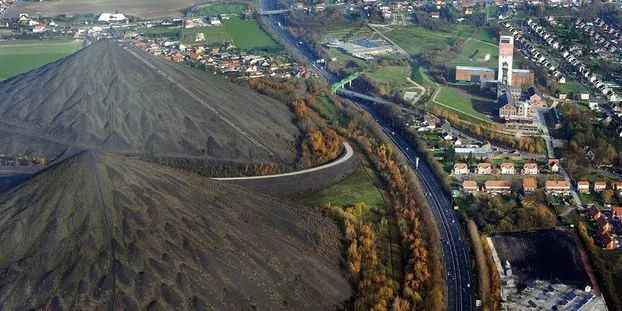
The Nord-Pas de Calais Mining Basin in northern France, once the beating heart of Europe's Industrial Revolution, now captivates the world with its unique story of industrial heritage revival. Spanning 120,000 hectares, this former coal mining hub was inscribed on the UNESCO World Heritage List in 2012 for its 109 preserved industrial sites and ecological restoration marvels.
The Nord-Pas de Calais Mining Basin in northern France, once the beating heart of Europe's Industrial Revolution, now captivates the world with its unique story of industrial heritage revival. Spanning 120,000 hectares, this former coal mining hub was inscribed on the UNESCO World Heritage List in 2012 for its 109 preserved industrial sites and ecological restoration marvels.
Historical Context
As the epicenter of France's coal industry, the basin witnessed three centuries of energy-driven transformation from the 18th to the late 20th century. The discovery of coal deposits in 1720 propelled it to become one of France's wealthiest regions by the 19th century, supporting a workforce of 220,000 miners and developing a complete industrial ecosystem of mines, railways, and worker communities. Émile Zola's vivid descriptions of "smoky pitheads" mirrored the era's reality. However, with the closure of the last mine in 1990, the region faced decline, leaving slag heaps and abandoned shafts as symbols of industrial decay.
As the epicenter of France's coal industry, the basin witnessed three centuries of energy-driven transformation from the 18th to the late 20th century. The discovery of coal deposits in 1720 propelled it to become one of France's wealthiest regions by the 19th century, supporting a workforce of 220,000 miners and developing a complete industrial ecosystem of mines, railways, and worker communities. Émile Zola's vivid descriptions of "smoky pitheads" mirrored the era's reality. However, with the closure of the last mine in 1990, the region faced decline, leaving slag heaps and abandoned shafts as symbols of industrial decay.
Revitalization & Regeneration
Facing economic and environmental challenges, local authorities adopted an "organic evolution" strategy, merging heritage preservation with nature restoration. 140-meter slag heaps were repurposed into ski slopes for winter sports and open-air concert venues in summer, blending industrial history with contemporary art. Subsidence lakes formed from flooded pits now serve as ecological parks for boating and hiking, while grapevines thriving on slag heaps produce the unique "Charbonnay" wine, transforming industrial waste into a gustatory legacy.
Facing economic and environmental challenges, local authorities adopted an "organic evolution" strategy, merging heritage preservation with nature restoration. 140-meter slag heaps were repurposed into ski slopes for winter sports and open-air concert venues in summer, blending industrial history with contemporary art. Subsidence lakes formed from flooded pits now serve as ecological parks for boating and hiking, while grapevines thriving on slag heaps produce the unique "Charbonnay" wine, transforming industrial waste into a gustatory legacy.
Cultural & Community Integration
The basin's social fabric was equally preserved. 120 mining villages, worker housing estates, schools, and churches remain intact, with some converted into museums and cultural centers. The Lewarde Mining History Center, for instance, recreates mine tunnels and worker life through immersive exhibits. The Louvre-Lens, built on a former pit site, integrates industrial elements into its architecture, symbolizing cultural rebirth.
The basin's social fabric was equally preserved. 120 mining villages, worker housing estates, schools, and churches remain intact, with some converted into museums and cultural centers. The Lewarde Mining History Center, for instance, recreates mine tunnels and worker life through immersive exhibits. The Louvre-Lens, built on a former pit site, integrates industrial elements into its architecture, symbolizing cultural rebirth.
World Heritage Significance
UNESCO hails the basin as "a unique geographical area of human intervention and restoration," whose industrial landscape documents Europe's industrialization, technological innovation, and worker solidarity. Today, it attracts hundreds of thousands of visitors annually through "industrial heritage tourism," injecting new life into the local economy and setting a global benchmark for post-industrial transformation.
UNESCO hails the basin as "a unique geographical area of human intervention and restoration," whose industrial landscape documents Europe's industrialization, technological innovation, and worker solidarity. Today, it attracts hundreds of thousands of visitors annually through "industrial heritage tourism," injecting new life into the local economy and setting a global benchmark for post-industrial transformation.
Conclusion
From a soot-covered mining hub to an eco-cultural destination, the Nord-Pas de Calais Mining Basin proves that industrial heritage is not just a relic of the past but a resource for sustainable development. Its model of "preservation through innovation" offers a blueprint for regions worldwide, ensuring industrial legacies resonate in contemporary society.
From a soot-covered mining hub to an eco-cultural destination, the Nord-Pas de Calais Mining Basin proves that industrial heritage is not just a relic of the past but a resource for sustainable development. Its model of "preservation through innovation" offers a blueprint for regions worldwide, ensuring industrial legacies resonate in contemporary society.