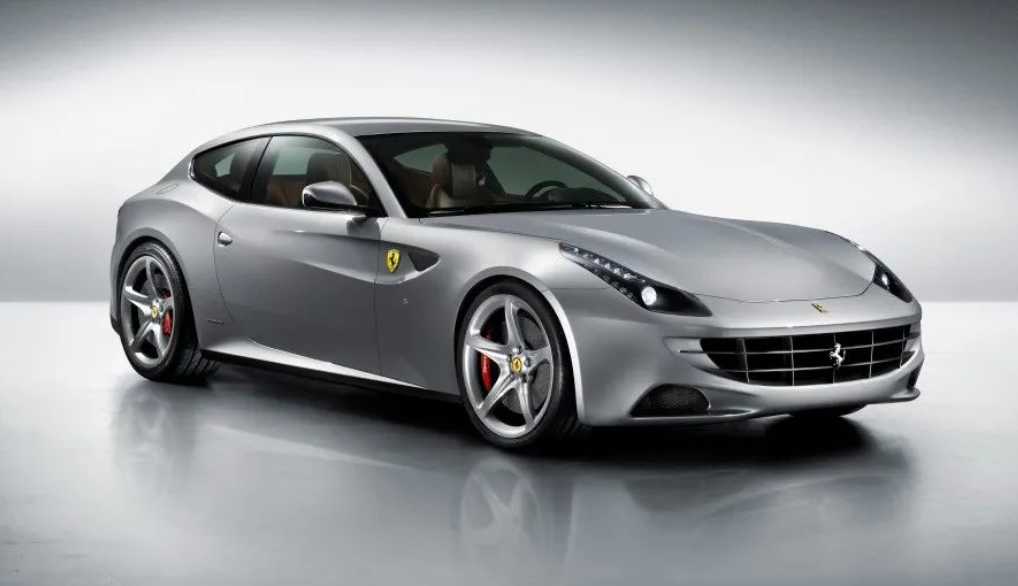
Ferrari FF: Redefining Performance with All - Wheel Drive


Car Information
Ferrari FF: Redefining Performance with All - Wheel Drive

When one thinks of Ferrari, sleek supercars and high - performance race cars often come to mind. However, the brand has also ventured into the realm of performance shooting brakes, and the FF stands as a prime example. In 2011, at the Geneva Motor Show, Ferrari unveiled its first production all - wheel - drive vehicle, the FF, marking a significant milestone in the company's history.


The Ferrari FF is a front - engined V12 four - seat GT car designed to succeed the 612 Coupe. Under the hood lies a massive 6.3 - liter naturally aspirated V12 engine, capable of producing an astonishing 651 horsepower and 504 lb - ft of torque. Paired with a dual - clutch seven - speed automatic transmission, it can accelerate from 0 to 60 mph in just 3.7 seconds and reach a top speed of 208 mph. What truly sets the FF apart is its innovative four - wheel - drive system, known as 4RM (four - wheel - drive in Italian). Weighing 50% less than traditional AWD systems, 4RM distributes power to each wheel as needed, ensuring exceptional traction and handling in various driving conditions.


The FF's design is a blend of elegance and practicality. Its shooting brake body style offers a more spacious rear cargo area compared to traditional coupes, making it a versatile choice for long - distance travel. Inside, the cabin is a luxurious haven, featuring premium leather upholstery, advanced infotainment systems, and ergonomic seats. Despite its unconventional form for a Ferrari, the FF has earned its place as a remarkable machine that combines the brand's signature performance with enhanced usability, proving that Ferrari can push the boundaries of what a high - performance vehicle can be.

Latest Stories
Travel News2 minute readNestled in the heart of Vienna, the Schönbrunn Palace stands as a testament to Austria’s rich imperial heritage and architectural grandeur. Designated a UNESCO World Heritage Site in 1996, this Baroque masterpiece has captivated visitors for centuries with its opulent interiors, sprawling gardens, and historical significance.
Entertainment News1 minute readScarlett Johansson is set to shine at this year’s festival in dual roles—starring in Wes Anderson’s competition film The Phoenician Scheme and making her directorial debut with Eleanor the Great in the "Un Certain Regard" section. The American icon continues to expand her creative horizons beyond acting.
Sports News1 minute readWith exactly three years until the opening ceremony, the Los Angeles 2028 Organizing Committee (LA28) revealed its first official competition schedule Monday, marking a historic milestone for the city’s third Olympic Games and first Paralympics. The schedule introduces major structural shifts, including reorganized sports timelines and expanded youth engagement initiatives, aiming to create a "once-in-a-lifetime experience" for athletes and global audiences.
Entertainment News1 minute readJenna Marie Ortega, born September 27, 2002, in Coachella Valley, California, has emerged as one of Hollywood’s most dynamic young talents. The Latina actress, known for her sharp performances and unapologetic authenticity, continues to redefine teen stardom.
Entertainment News1 minute readKristen Stewart, born April 9, 1990, in Los Angeles, California, has evolved from a teen actress to a multifaceted artist—actor, director, and screenwriter. Adored by fans as "K-Stew," she’s earned the nickname "Human Wrench" for her magnetic, gender-fluid appeal, a status cemented in LGBTQ+ circles.
Sports News1 minute readThe UK government announced on Saturday its support for London’s bid to host the 2029 Athletics World Championships, leveraging its rich experience in hosting top-tier sports events to bring the elite competition back to the iconic Olympic Stadium.
Travel News2 minute readHailed as one of Europe’s most beautiful squares, Place de Stanislas de Nancy in France stands as a testament to architectural grandeur and historical significance. Built between 1752 and 1763 under the direction of architect Emmanuel Héré de Corny, the square was commissioned by Stanislas Leszczynski, Duke of Lorraine, to commemorate his reign and symbolize the Enlightenment’s urban ideals.