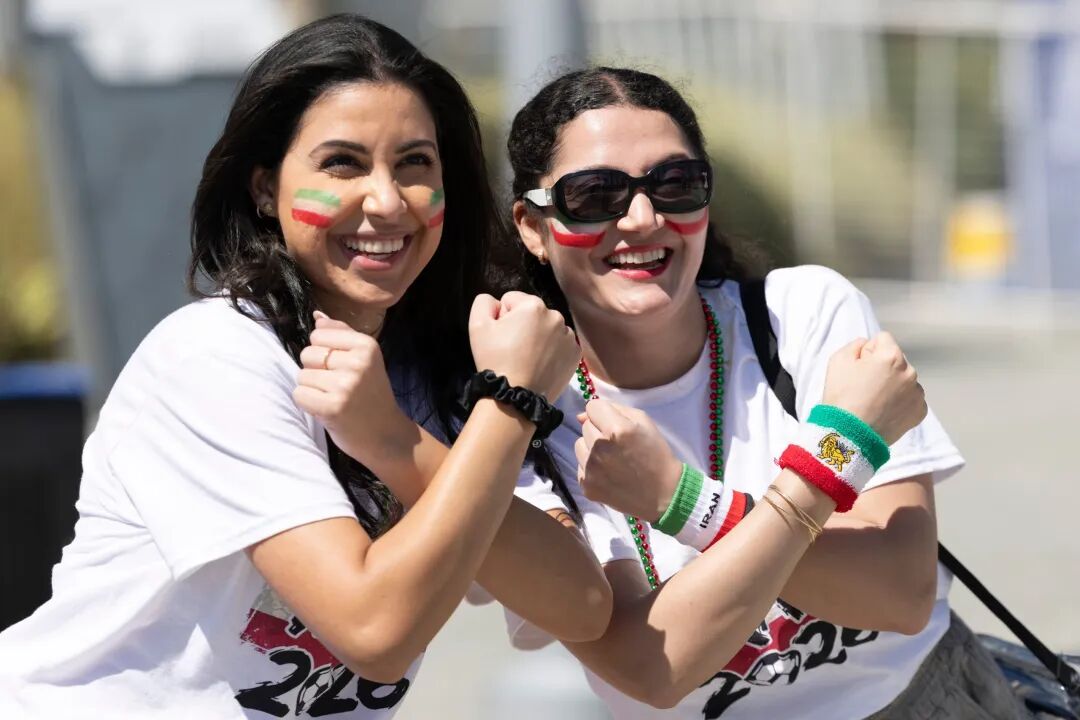
FIFA has rolled out policies to secure Iran national football team’s participation, including a blanket ban on all flags and political emblems within match venues. Still, the Iranian Football Federation delegation faces a fresh major barrier: the U.S. State Department has refused to issue visas for the federation president and multiple senior officials.
FIFA’s Compromise Measures Overshadowed by U.S. Visa Rejection
FIFA has rolled out policies to secure Iran national football team’s participation, including a blanket ban on all flags and political emblems within match venues. Still, the Iranian Football Federation delegation faces a fresh major barrier: the U.S. State Department has refused to issue visas for the federation president and multiple senior officials.
Iran FA Pressures FIFA to Bar Opposition Supporters From Stadiums
The Iranian Football Federation has repeatedly lobbied FIFA to prevent opponents of Iran’s government from entering match venues to watch games. Nevertheless, fan sentiment turned sour during Iran’s fixtures against New Zealand and Belgium, with most Iranian supporters expressing deep disappointment toward the national squad. Fans claim the team is closely aligned with the ruling regime, creating volatile on-site situations that stretched FIFA staff’s crowd management capacity to the limit.
Lion and Sun Flags Dominate Stands Amid Open Fan Protests
Lion and Sun flags, widely regarded by Iranian citizens as a symbol of the nation’s ancient history and culture, were visible across every section inside SoFi Stadium. Spectators continuously booed players perceived as loyal to the Iranian government. The charged, hostile atmosphere drew intense coverage from global news outlets, which heavily documented the fans’ public demonstration of discontent and dissent.
Dual Conflicting Demands Create an Unmanageable Stadium Dilemma
FIFA’s neutrality rules prohibit partisan political symbols to keep sports separated from politics, yet the mass display of the historic Lion and Sun flag defied this ban during live matches. On one side, Iran’s football authorities demanded strict crackdowns on opposition supporters; on the other, thousands of diaspora fans leveraged the World Cup stage to voice anti-regime frustrations, placing FIFA in an unresolvable regulatory bind.
High-Profile Diplomatic and Sporting Tensions Intertwine
The visa denial for Iranian football officials marks a diplomatic friction point spilling over into global football, compounded by the unregulated political expression unfolding in match stands. The clashes between institutional demands, U.S. immigration policy, and grassroots fan sentiment highlight how geopolitical divisions have deeply disrupted the neutral sporting atmosphere FIFA aims to uphold at the 2026 World Cup.