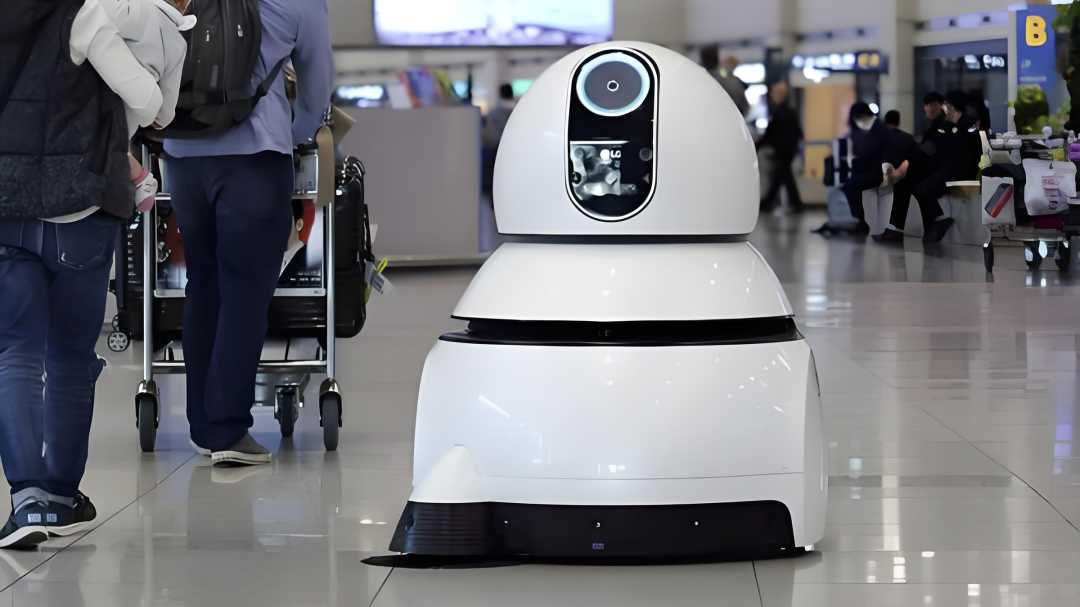
The technology of smart robots has reached a relatively mature stage in foreign countries, with developed countries such as the United States, Japan, Germany, and France being prominent representatives. The application fields of smart robots are constantly expanding, and their types are becoming increasingly diverse.
The United States
As a leader in the global science and technology field, the United States has always maintained a leading position in smart robot technology. Its continuously innovative key technologies have greatly benefited the development of American smart robots. In key technology areas such as vision, sensing, human-machine interaction, and mechatronics, American smart robots feature excellent performance, comprehensive functions, and high precision. Breakthroughs in numerous key areas have laid the foundation for improving the performance, expanding the functions, and enhancing the precision of robots.
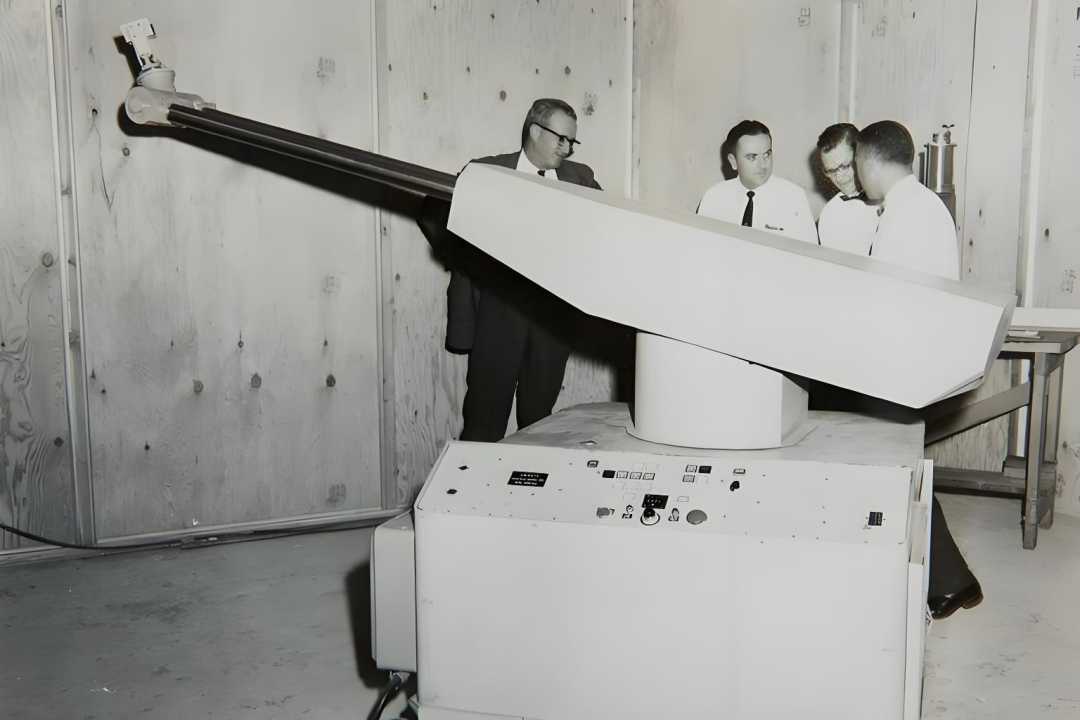
In 1960, a U.S. enterprise named "Unimation" (originally "Consolidated Controls Corporation") successfully developed the world's first real industrial robot, Unimate. This milestone event marked that robot technology entered a new stage. Just two years later, the American AMF Company followed the trend and launched an industrial robot with programming functions, Versatran. The emergence of these two robots not only provided a powerful driving force for the economic development of the United States, laid the foundation for industrial development, but also set a model for technological innovation.
The United States is at the world's leading position in the research and application of artificial intelligence, which has promoted the rapid development of smart robots. AI technology enables robots to better understand the environment, make autonomous decisions, and learn new tasks, thus playing a role in more complex application scenarios.
As a leader in the global science and technology field, the United States has always maintained a leading position in smart robot technology. Its continuously innovative key technologies have greatly benefited the development of American smart robots. In key technology areas such as vision, sensing, human-machine interaction, and mechatronics, American smart robots feature excellent performance, comprehensive functions, and high precision. Breakthroughs in numerous key areas have laid the foundation for improving the performance, expanding the functions, and enhancing the precision of robots.
In 1960, a U.S. enterprise named "Unimation" (originally "Consolidated Controls Corporation") successfully developed the world's first real industrial robot, Unimate. This milestone event marked that robot technology entered a new stage. Just two years later, the American AMF Company followed the trend and launched an industrial robot with programming functions, Versatran. The emergence of these two robots not only provided a powerful driving force for the economic development of the United States, laid the foundation for industrial development, but also set a model for technological innovation.
The United States is at the world's leading position in the research and application of artificial intelligence, which has promoted the rapid development of smart robots. AI technology enables robots to better understand the environment, make autonomous decisions, and learn new tasks, thus playing a role in more complex application scenarios.
Source: Images from the Internet, if there is any infringement, please contact the removal of
Japan
Japan also has a profound influence on the development of smart robots. Thanks to a series of supportive policies aimed at promoting the robot industry, various types of robots in Japan, especially smart robots, have been developing rapidly. Key technologies such as human-machine interaction, machine learning, and sensing technology are widely applied in Japanese smart robots, covering multiple industries such as home, medical care, and education. With excellent performance and humanized design, Japanese smart robots have shown high competitiveness in the international market.
The Japanese government's emphasis on and investment in the robot industry have provided strong support for the research and application of smart robots. Japanese smart robots are constantly being optimized and improved, and with the promotion of innovative technologies, they are gradually integrated into daily life. In the field of bionic robots, Japan is at the forefront, especially achieving remarkable results in humanoid robot technology.
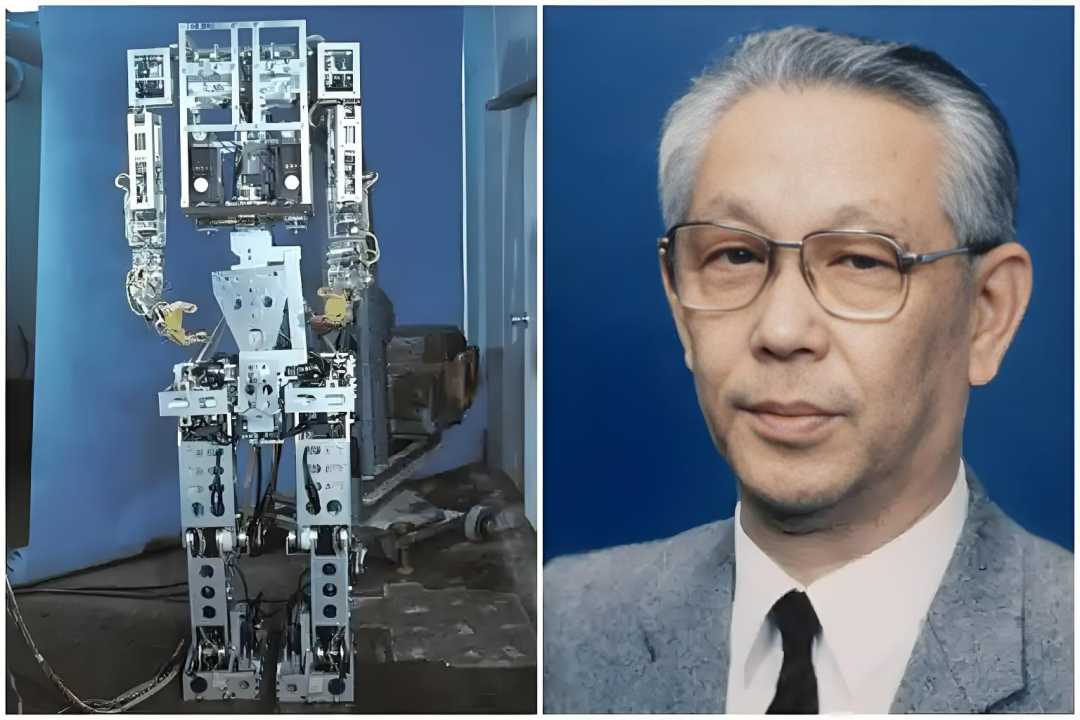
In 1969, the laboratory of Ichiro Kato at Waseda University in Japan successfully developed the world's first biped walking robot, laying the foundation for the development of humanoid robot technology. Due to his long-term dedication to the research field of humanoid robots, Professor Ichiro Kato has been honored as the "Father of Humanoid Robots". His contributions have not only promoted Japan's progress in the field of humanoid robots but also injected strong impetus into the development of global robot technology. Nowadays, bionic robots have shown great potential in various fields. From manufacturing to service industries, from home use to healthcare, they are continuously driving the progress of human society.
Japan also has a profound influence on the development of smart robots. Thanks to a series of supportive policies aimed at promoting the robot industry, various types of robots in Japan, especially smart robots, have been developing rapidly. Key technologies such as human-machine interaction, machine learning, and sensing technology are widely applied in Japanese smart robots, covering multiple industries such as home, medical care, and education. With excellent performance and humanized design, Japanese smart robots have shown high competitiveness in the international market.
The Japanese government's emphasis on and investment in the robot industry have provided strong support for the research and application of smart robots. Japanese smart robots are constantly being optimized and improved, and with the promotion of innovative technologies, they are gradually integrated into daily life. In the field of bionic robots, Japan is at the forefront, especially achieving remarkable results in humanoid robot technology.
In 1969, the laboratory of Ichiro Kato at Waseda University in Japan successfully developed the world's first biped walking robot, laying the foundation for the development of humanoid robot technology. Due to his long-term dedication to the research field of humanoid robots, Professor Ichiro Kato has been honored as the "Father of Humanoid Robots". His contributions have not only promoted Japan's progress in the field of humanoid robots but also injected strong impetus into the development of global robot technology. Nowadays, bionic robots have shown great potential in various fields. From manufacturing to service industries, from home use to healthcare, they are continuously driving the progress of human society.
Source: Images from the Internet, if there is any infringement, please contact the removal of
Europe
In Europe, countries such as Germany, France, and the United Kingdom are all at the leading level globally in the research and application of smart robots. These countries have increased their investment in smart robots, promoting the development of the industry. The research focus of European smart robots is on artificial intelligence, machine learning, human-machine interaction, and other fields, and they are applied in industries such as industry, healthcare, and services. European smart robots have significant advantages in terms of precision, reliability, and humanization.
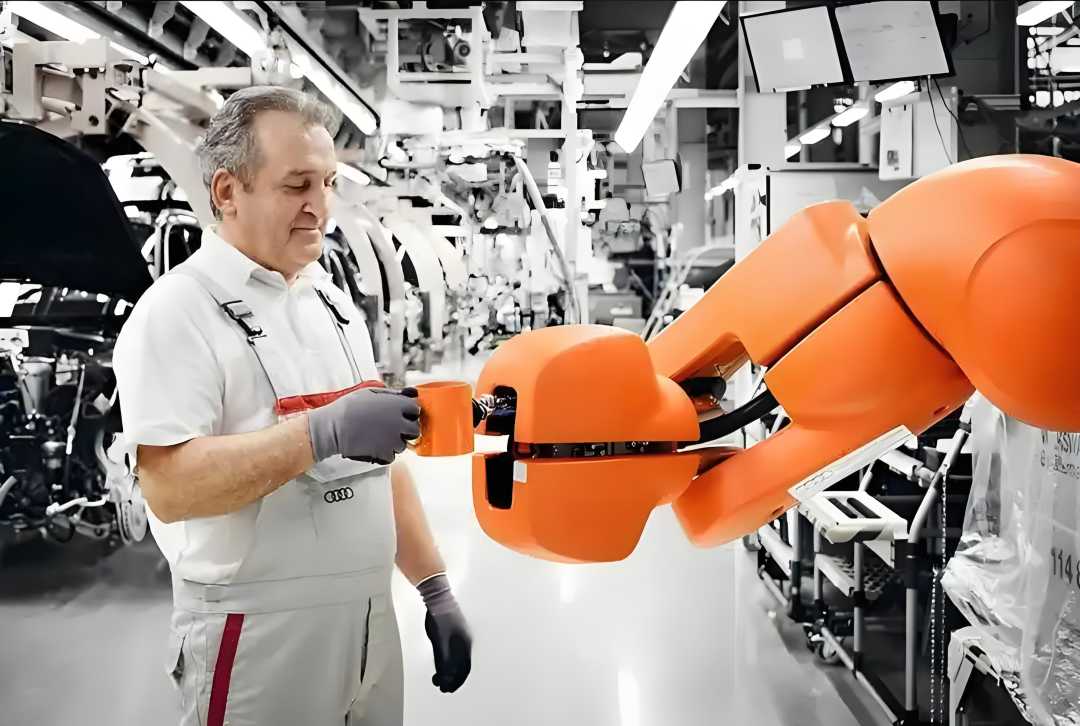
Germany is the birthplace of the concept of "Industry 4.0". This strategy aims to integrate robots into the production line through intelligent production systems and cyber-physical systems to achieve intelligent manufacturing. German industrial robots are widely used in industries such as automobile manufacturing, electronics, and aerospace.
France has made huge investments in the field of artificial intelligence, especially in aspects such as neural network theory, cognitive neuroscience, and ethics. France has participated in the European Union's "Human Brain Project" (HBP) and received a large amount of financial support.
In July 2016, the British government released the "Robotics and Autonomous Systems Strategy 2020" (RAS2020) and provided matching financial funds to ensure that the robot industry can compete with leading countries in the world. It is hoped that through the RAS2020 strategy, the UK can obtain a 10% share of the global robot market (valued at approximately $12 billion) by 2025.
In Europe, countries such as Germany, France, and the United Kingdom are all at the leading level globally in the research and application of smart robots. These countries have increased their investment in smart robots, promoting the development of the industry. The research focus of European smart robots is on artificial intelligence, machine learning, human-machine interaction, and other fields, and they are applied in industries such as industry, healthcare, and services. European smart robots have significant advantages in terms of precision, reliability, and humanization.
Germany is the birthplace of the concept of "Industry 4.0". This strategy aims to integrate robots into the production line through intelligent production systems and cyber-physical systems to achieve intelligent manufacturing. German industrial robots are widely used in industries such as automobile manufacturing, electronics, and aerospace.
France has made huge investments in the field of artificial intelligence, especially in aspects such as neural network theory, cognitive neuroscience, and ethics. France has participated in the European Union's "Human Brain Project" (HBP) and received a large amount of financial support.
In July 2016, the British government released the "Robotics and Autonomous Systems Strategy 2020" (RAS2020) and provided matching financial funds to ensure that the robot industry can compete with leading countries in the world. It is hoped that through the RAS2020 strategy, the UK can obtain a 10% share of the global robot market (valued at approximately $12 billion) by 2025.
South Korea
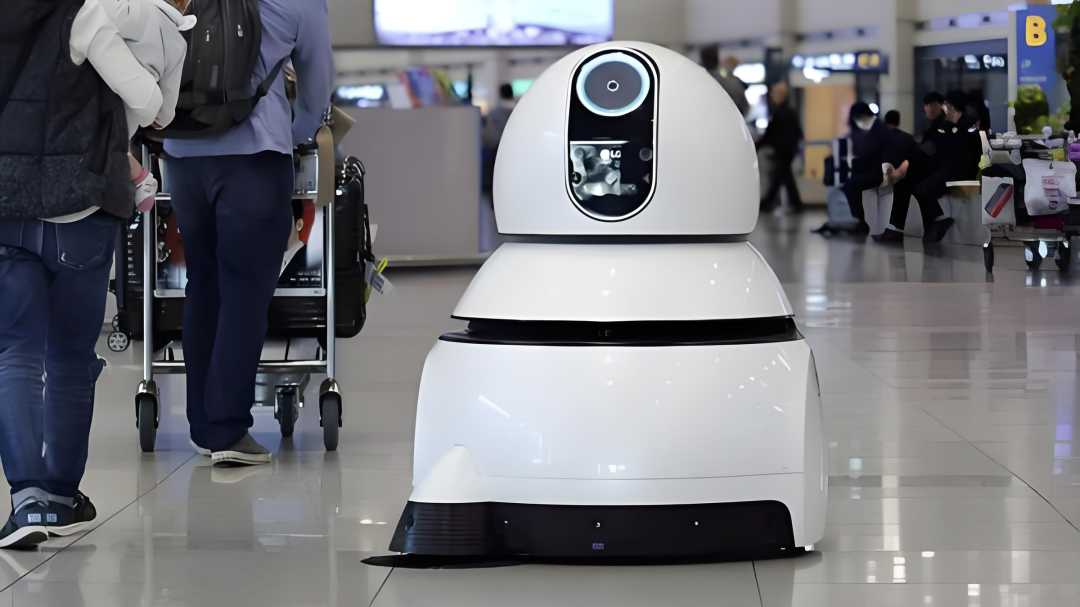
In Asia, South Korea is one of the countries where smart robots are developing rapidly. The strong support from the South Korean government and enterprises for the smart robot industry has enabled it to make rapid progress. The key technologies of South Korean smart robots include machine learning, visual recognition, human-machine interaction, etc., and these technologies are applied in various industries such as home, medical care, and security.
South Korean smart robots, with their excellent performance, have shown strong competitiveness in the international market. Currently, South Korea ranks among the top in the world in terms of robot density, with the annual installation volume ranking fourth globally and the stock of industrial robots ranking third in the world.
The application fields of the South Korean robot industry are extensive, especially achieving remarkable results in fields such as assembly, cleaning, and welding. In high-end manufacturing industries such as automobile manufacturing and semiconductor production, robots have become indispensable production tools. In addition, with the in-depth implementation of the "Robot+" strategy, South Korea is actively exploring the application of robots in more fields such as agriculture, entertainment, and construction, in order to achieve the comprehensive and accelerated deployment of robot technology.
In Asia, South Korea is one of the countries where smart robots are developing rapidly. The strong support from the South Korean government and enterprises for the smart robot industry has enabled it to make rapid progress. The key technologies of South Korean smart robots include machine learning, visual recognition, human-machine interaction, etc., and these technologies are applied in various industries such as home, medical care, and security.
South Korean smart robots, with their excellent performance, have shown strong competitiveness in the international market. Currently, South Korea ranks among the top in the world in terms of robot density, with the annual installation volume ranking fourth globally and the stock of industrial robots ranking third in the world.
The application fields of the South Korean robot industry are extensive, especially achieving remarkable results in fields such as assembly, cleaning, and welding. In high-end manufacturing industries such as automobile manufacturing and semiconductor production, robots have become indispensable production tools. In addition, with the in-depth implementation of the "Robot+" strategy, South Korea is actively exploring the application of robots in more fields such as agriculture, entertainment, and construction, in order to achieve the comprehensive and accelerated deployment of robot technology.
Source: Images from the Internet, if there is any infringement, please contact the removal of