Germany’s Elite Sports Faces New Definition of Success: Balancing Medals with Social Value


Sports News
Germany’s Elite Sports Faces New Definition of Success: Balancing Medals with Social Value

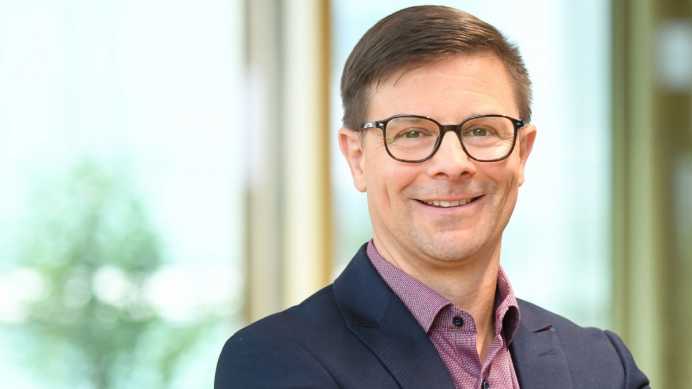
Olaf Tabor, Head of Elite Sports at the German Olympic Sports Confederation (DOSB), stated, “We want clean, safe sports that benefit our people while fostering top-level athletic performance.” For Tabor, the challenge lies in aligning sports and social goals without neglecting international aspirations: “We’re talking about sports that succeed globally—benefiting both organized sports activities and society.”


The study also reveals a shifting definition of success. While 92% of respondents still see personal bests and victories as key metrics, there is broad recognition of athletes who excel without winning medals—such as those returning from injuries or parental leave. Eighty-one percent value athletes who raise awareness of their sport, and 69% view post-break comebacks as a form of success.


Maximilian Klein, Deputy Managing Director of Athleten Deutschland, believes these findings call for a new strategic framework for Germany’s elite sports. “Society has diverse expectations for high-level sports. The key question now is: which sports and social goals should be pursued with public funds, and how to achieve them effectively.”


This shift reflects a growing emphasis on “holistic success” in German sports—one that honors athletic achievement but also values resilience, social contribution, and inclusivity. As the country rethinks its model, the focus is increasingly on creating a system where sports thrive not just on podiums, but as a force for broader societal good.

Latest Stories
Travel News2 minute readNestled in the heart of Vienna, the Schönbrunn Palace stands as a testament to Austria’s rich imperial heritage and architectural grandeur. Designated a UNESCO World Heritage Site in 1996, this Baroque masterpiece has captivated visitors for centuries with its opulent interiors, sprawling gardens, and historical significance.
Entertainment News1 minute readScarlett Johansson is set to shine at this year’s festival in dual roles—starring in Wes Anderson’s competition film The Phoenician Scheme and making her directorial debut with Eleanor the Great in the "Un Certain Regard" section. The American icon continues to expand her creative horizons beyond acting.
Sports News1 minute readWith exactly three years until the opening ceremony, the Los Angeles 2028 Organizing Committee (LA28) revealed its first official competition schedule Monday, marking a historic milestone for the city’s third Olympic Games and first Paralympics. The schedule introduces major structural shifts, including reorganized sports timelines and expanded youth engagement initiatives, aiming to create a "once-in-a-lifetime experience" for athletes and global audiences.
Entertainment News1 minute readJenna Marie Ortega, born September 27, 2002, in Coachella Valley, California, has emerged as one of Hollywood’s most dynamic young talents. The Latina actress, known for her sharp performances and unapologetic authenticity, continues to redefine teen stardom.
Entertainment News1 minute readKristen Stewart, born April 9, 1990, in Los Angeles, California, has evolved from a teen actress to a multifaceted artist—actor, director, and screenwriter. Adored by fans as "K-Stew," she’s earned the nickname "Human Wrench" for her magnetic, gender-fluid appeal, a status cemented in LGBTQ+ circles.
Sports News1 minute readThe UK government announced on Saturday its support for London’s bid to host the 2029 Athletics World Championships, leveraging its rich experience in hosting top-tier sports events to bring the elite competition back to the iconic Olympic Stadium.
Travel News2 minute readHailed as one of Europe’s most beautiful squares, Place de Stanislas de Nancy in France stands as a testament to architectural grandeur and historical significance. Built between 1752 and 1763 under the direction of architect Emmanuel Héré de Corny, the square was commissioned by Stanislas Leszczynski, Duke of Lorraine, to commemorate his reign and symbolize the Enlightenment’s urban ideals.